MiniMax H4 GPT Image 2.5 for Images with Deliberate Art Direction
Turn a visual brief into something you can inspect, refine, and use. MiniMax H4 GPT Image 2.5 on H3 Max brings Flare and Sunburst into a workspace for creating images from text or editing an existing image. Give MiniMax H4 GPT Image 2.5 a clear subject, a considered composition, and one purpose for the finished picture.
Image workspace
Sample Image
 1 / 30
Introduction
What Is MiniMax H4 GPT Image 2.5?
MiniMax H4 GPT Image 2.5 is an OpenAI image model family with two named variants, Flare and Sunburst, supporting image generation and editing.
Two variants with distinct positioning
MiniMax H4 GPT Image 2.5 Flare is positioned for general image creation, while Sunburst emphasizes intricate detail and precision. Both have separate generation and editing interfaces. MiniMax H4 GPT Image 2.5 is therefore a family choice as well as a creative tool: the selected variant matters. These descriptions explain their intended roles, not a promise that one will produce the preferred result for every subject or brief.
A practical workspace for visual decisions
H3 Max makes MiniMax H4 GPT Image 2.5 available for starting with words or working from an image you provide. Use the first route when the scene is still an idea and the second when something visible needs changing. MiniMax H4 GPT Image 2.5 can interpret your direction, but the final judgment remains yours: compare the result with the brief before treating it as finished.
How to use
How to Use MiniMax H4 GPT Image 2.5 on H3 Max
- PromptSTEP 1
Choose your starting point
Select MiniMax H4 GPT Image 2.5 and choose Flare or Sunburst. Start with text for a new scene, or select editing and provide the image you intend to change.
- ModelGPT Image 2.5 Flare1K1:1PromptSTEP 2
Write the visual assignment
Give MiniMax H4 GPT Image 2.5 a subject, composition, lighting direction, and intended use. For an edit, state what should change and what you want preserved.
- Detail
 STEP 3
Review before submitting
Check the available settings and displayed credits for your MiniMax H4 GPT Image 2.5 request. Resolve conflicting instructions before generating rather than relying on the result to settle them.
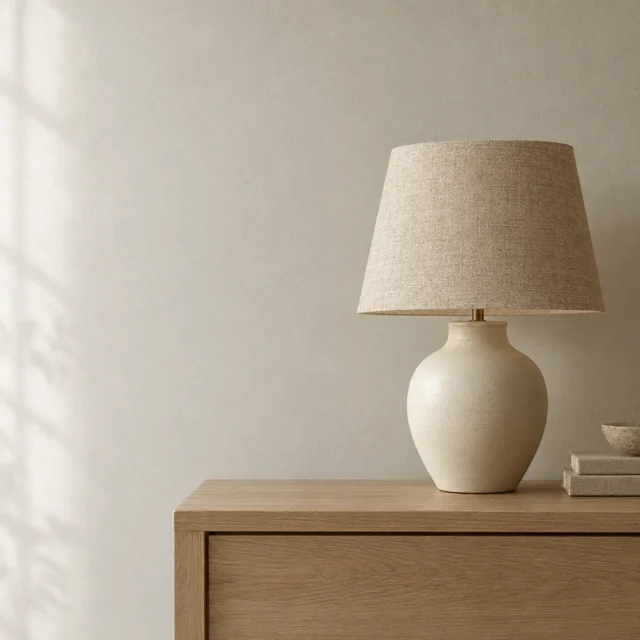
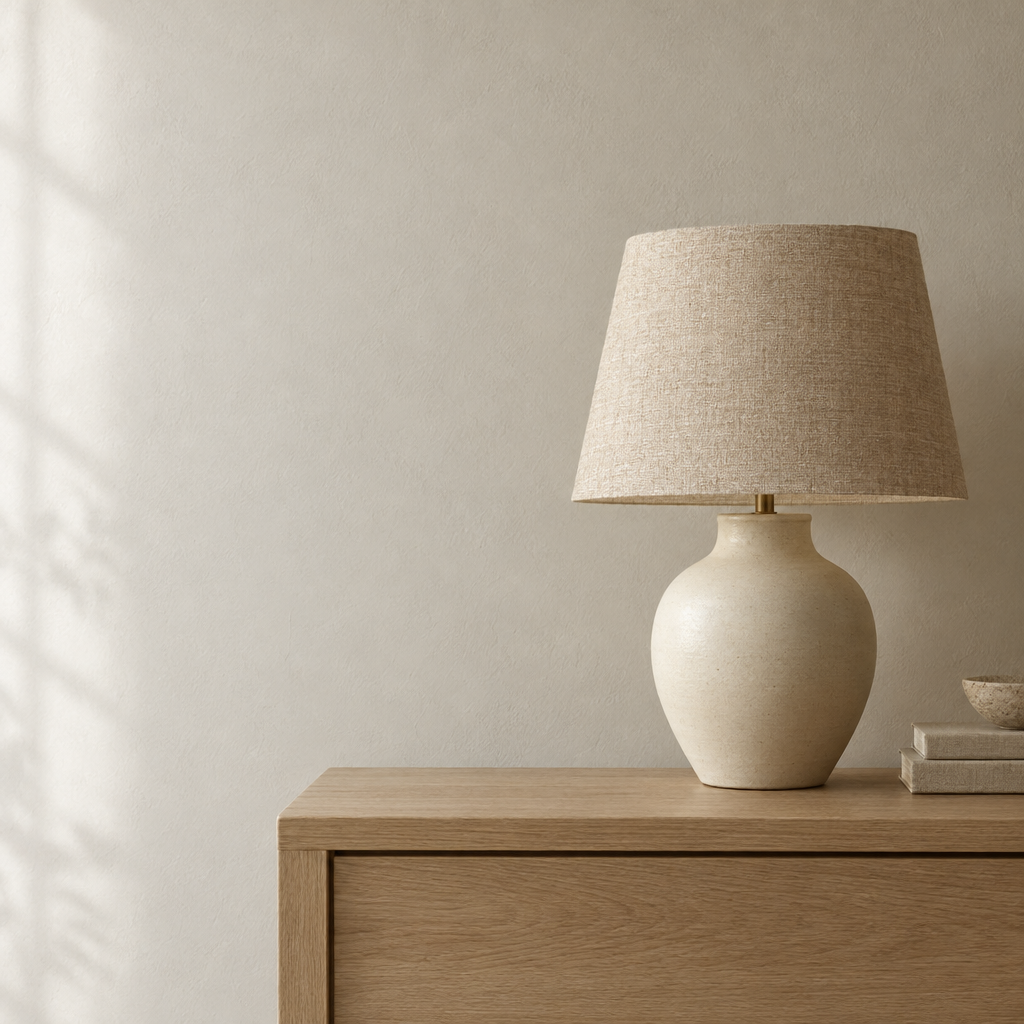
- Create an editorial photograph of an original ceramic table lamp on a pale oak console. The lamp has a warm ivory body, a woven natural linen shade, and a simple rounded silhouette. Position it on the right, leaving a quiet plaster wall on the left for later typography. Soft window light from the left, believable contact shadow, restrained neutral palette, no people, no visible words, no brand marks.DownloadSTEP 4
Inspect and refine
Compare the MiniMax H4 GPT Image 2.5 output with the original brief. Check fine detail, wording, and overall composition, then request a focused revision where it would improve the image.
Features
Choose a MiniMax H4 GPT Image 2.5 Variant Around the Assignment
Approach MiniMax H4 GPT Image 2.5 with a specific decision to make, rather than asking a variant name to define the whole project.
Give both options an intelligible brief
A useful MiniMax H4 GPT Image 2.5 comparison keeps the subject, framing, and intended destination consistent. Try a ceramic lamp against a quiet wall, with a visible fabric shade and soft side lighting. When comparing MiniMax H4 GPT Image 2.5 variants, judge the same details: shade structure, surface texture, and whether the lamp remains the focal point. Changing the entire prompt between attempts makes the comparison less informative.
Decide what deserves closer inspection
For an intricate MiniMax H4 GPT Image 2.5 illustration, write down the small elements that matter before generating. A decorative border, stitched seam, or repeated window pattern deserves a different review from a loose color study. Ask MiniMax H4 GPT Image 2.5 for the required detail, then inspect it rather than assuming that complexity equals quality. Keep the result that serves the assignment, including its quieter areas.
Build MiniMax H4 GPT Image 2.5 Compositions Around a Clear Focal Point
Use MiniMax H4 GPT Image 2.5 to explore the arrangement before polishing decorative details that may not survive the final layout.
Describe relationships, not just objects
Tell MiniMax H4 GPT Image 2.5 what sits in front, what recedes, and where the viewer should look first. A cup beside a book is less specific than a low cup in the foreground with a closed book behind it. Add camera height and the direction of the light. This turns a list of ingredients into a visual arrangement you can evaluate.
Leave room for the surrounding design
A campaign image may need breathing space for a headline or interface. Ask MiniMax H4 GPT Image 2.5 to keep one side quiet instead of filling every corner with decoration. Describe the reserved area as part of the scene, such as a plain wall or uninterrupted tabletop. Review the actual crop in your layout; attractive empty space is useful only where you need it.
Direct Light and Materials with MiniMax H4 GPT Image 2.5
MiniMax H4 GPT Image 2.5 prompts can describe how a surface should look, giving your review more concrete criteria than a general mood.
Make the material part of the brief
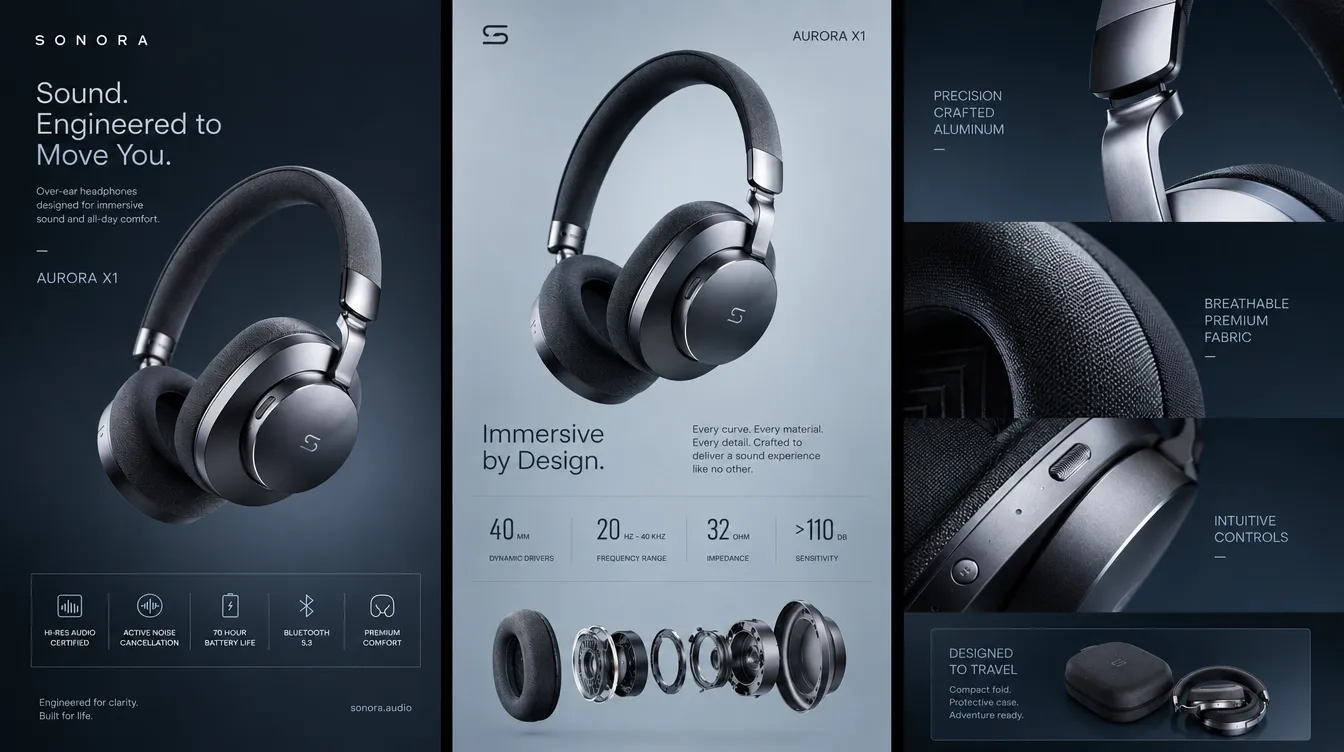
Describe brushed metal, unglazed clay, woven cotton, or translucent glass in terms of visible behavior. A broad soft reflection and a sharp highlight communicate different surfaces. With MiniMax H4 GPT Image 2.5, pair the material description with lighting that makes it readable. Avoid combining contradictory instructions, such as perfectly matte glass covered in mirrorlike reflections, unless that contradiction is the creative idea.
Keep invented scenes separate from product evidence
For a real item, begin with an authorized photograph and explain which features must remain recognizable. MiniMax H4 GPT Image 2.5 editing is a way to request a changed setting or presentation, not evidence that a product has a different finish or construction. Inspect proportions, closures, labels, and contact shadows. A convincing surface should never replace an accurate representation of the item.
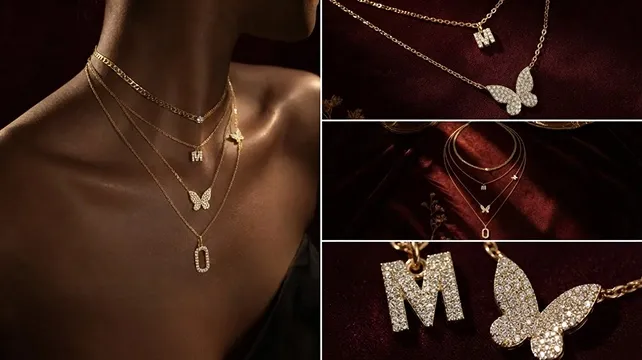
Give MiniMax H4 GPT Image 2.5 Text a Defined Place in the Image
Plan lettering as a compositional element when using MiniMax H4 GPT Image 2.5, especially when the image needs a short visible message.
Specify the exact words and their role
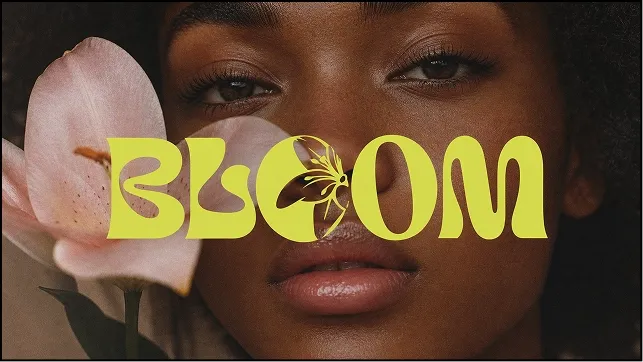
Write the requested wording in quotation marks and explain whether it belongs on a poster, package, or sign. Tell MiniMax H4 GPT Image 2.5 which line is dominant and which should remain secondary. A short exhibition title with generous spacing is a more focused assignment than several paragraphs of tiny copy. Keep essential legal or operational text in your normal design workflow.
Proofread MiniMax H4 GPT Image 2.5 lettering at delivery size
Read every generated letter at the intended viewing size. MiniMax H4 GPT Image 2.5 may produce an appealing arrangement while still changing a character, dropping a word, or adding unwanted text. Check punctuation and repeated labels as carefully as the main heading. Where wording must be exact, use the generated artwork as a visual foundation and add approved typography in a design editor.
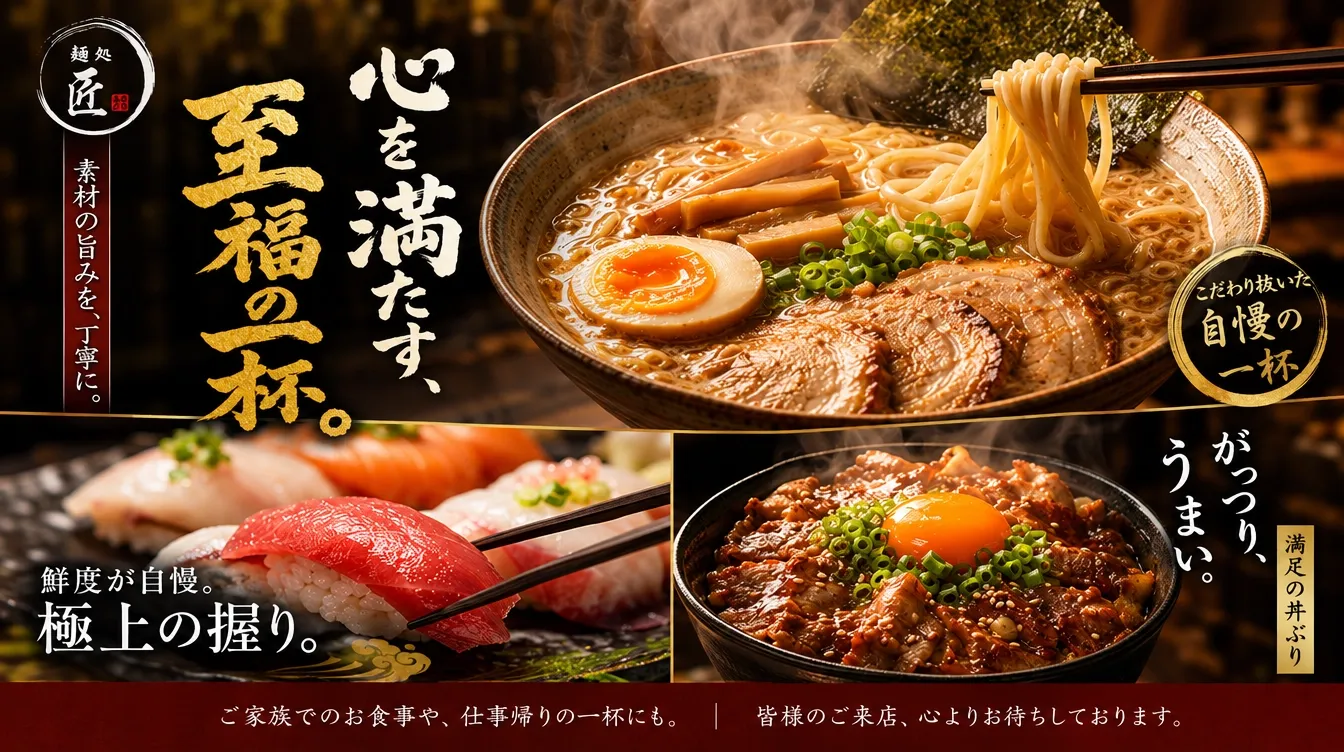
Refine MiniMax H4 GPT Image 2.5 Images Without Losing the Brief
A focused MiniMax H4 GPT Image 2.5 editing request makes the desired change easier to distinguish from details that should stay familiar.
Keep MiniMax H4 GPT Image 2.5 edits focused on the requested change
Begin the instruction with the edit: replace the patterned curtain with plain linen, soften a distracting reflection, or change the background color. Then list what should remain, such as the pose, camera angle, and object shape. MiniMax H4 GPT Image 2.5 receives a clearer task when these priorities are explicit. Treat preservation as a requirement to check, not an automatic guarantee.
Make each revision answer one question
Review the whole MiniMax H4 GPT Image 2.5 frame after every change, including areas outside the requested edit. MiniMax H4 GPT Image 2.5 can reinterpret surrounding details, so compare the new result with the image you intended to preserve. Keep a separate copy of an approved version before trying another direction. Stop when the picture meets its purpose, rather than accumulating revisions without a defined improvement.
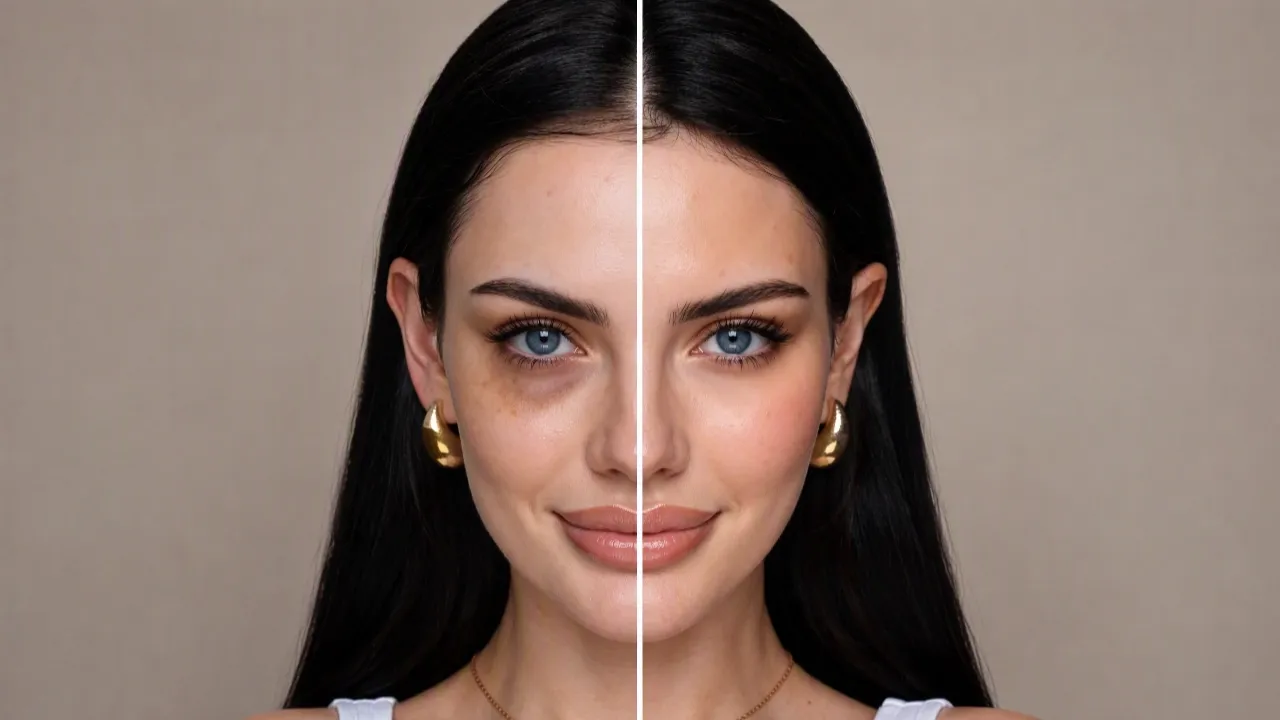
Example prompts
Text to image: a considered lamp study
Create an editorial photograph of an original ceramic table lamp on a pale oak console. The lamp has a warm ivory body, a woven natural linen shade, and a simple rounded silhouette. Position it on the right, leaving a quiet plaster wall on the left for later typography. Soft window light from the left, believable contact shadow, restrained neutral palette, no people, no visible words, no brand marks.
Text to image: a fictional exhibition poster
Design a poster concept for a fictional ceramics exhibition. The only visible words are "SHAPED BY HAND" in a large heading and "A CERAMICS EXHIBITION" beneath it. Place a single sculptural blue vessel below the lettering, on a warm off-white background. Use a clear visual hierarchy, generous margins, subtle paper texture, and simple directional light. Do not add dates, venues, sponsor logos, or additional text.
Image edit: replace a distracting backdrop
Use the uploaded product photograph as the visual reference. Replace only the busy background with a softly lit warm gray studio backdrop. Aim to retain the product silhouette, proportions, visible labels, surface finish, and camera angle. Keep a plausible contact shadow beneath the object. Do not add accessories, alter the packaging, introduce text, or change the apparent material. Keep the composition restrained and inspectable.
User reviews
MiniMax H4 creator workflow examples.
MiniMax H4 creator workflows
Create a short MiniMax H4 game scene using a character reference and a clear action. Compare the generated character, interface details, and motion with the source before using the result.

Explore an animation look in MiniMax H4 with a focused visual brief. Keep a style reference, test one motion at a time, and inspect consistency between shots.

Use product photographs to plan a MiniMax H4 listing video. Review the actual packaging, visible labels, and generated audio; assess campaign results using your own measurements.

Prepare a short MiniMax H4 vertical video with one subject and one visible change. Choose the ratio, preview the complete clip, and revise the prompt before publishing.

Choose an available editing model in MiniMax H4 and describe the intended change. Check preserved details, lighting, and frame continuity against the original recording.

Build a MiniMax H4 shot study before a shoot. Describe framing and camera movement, review each draft, and keep the result as a planning aid rather than a guarantee of the final shot.
MiniMax H4 Pricing and Credit Plans
Cancel anytime
Lite
50% off0.025 / credit
Billed $ yearly179· Save $179.8
Video Models



Image Models



- Includes MiniMax H4 and all premium models
- Up to 1 batch generation task
- Standard generation speed
- Standard generation success rate
- Standard customer support
- Commercial Use License
Standard
50% off0.017 / credit
Billed $ yearly299· Save $299.8
Video Models
Image Models
- Includes MiniMax H4 and all premium models
- Up to 4 batch generation tasks
- Priority processing speed
- High generation success rate
- Priority customer support
- Commercial Use License
Pro
50% off0.014 / credit
Billed $ yearly599· Save $599.8
Video Models
Image Models
- Includes MiniMax H4 and all premium models
- Up to 10 batch generation tasks
- Fastest generation speed
- High generation success rate
- Dedicated account manager
- Commercial Use License
Max
50% off0.012 / credit
Billed $ yearly1,199· Save $1,199.8
Video Models
Image Models
- Includes MiniMax H4 and all premium models
- Up to 10 batch generation tasks
- Fastest generation speed
- High generation success rate
- Dedicated account manager
- Commercial Use License
Pay safely and securely with























FAQ
Frequently asked questions
Does MiniMax H4 GPT Image 2.5 include Flare and Sunburst?
Yes. H3 Max provides both named variants. Select the variant you intend to use and review its current workspace configuration before generating or editing an image.
Can MiniMax H4 GPT Image 2.5 start from an uploaded image?
Yes. The editing workflow accepts image input alongside your instructions. Explain the desired change and identify the details you want retained, then check the complete result against the original.
Is MiniMax H4 GPT Image 2.5 Sunburst always the right choice?
There is no universal choice for every brief. Its precision-focused positioning does not replace evaluating the actual composition, detail, and usefulness of your result.
Will MiniMax H4 GPT Image 2.5 preserve every product detail?
No exact preservation guarantee should be assumed. Compare shape, branding, materials, and proportions with your authorized source photograph before using an edited image to represent a real item.
Can MiniMax H4 GPT Image 2.5 create wording inside an image?
You can request visible text in the prompt. Keep it concise, provide exact spelling, and proofread the output. Add critical copy separately when precise typography is essential.
How are MiniMax H4 GPT Image 2.5 credits shown?
Check the credits displayed in the H3 Max workspace for your selected configuration before submitting. Review that figure again whenever you change the setup or request another generation.
How do I adapt a MiniMax H4 GPT Image 2.5 example prompt?
Replace the subject, setting, and visual priorities with details relevant to your project. For an editing prompt, supply your own authorized image and explain which visible features should remain.
CTA
Give MiniMax H4 GPT Image 2.5 a Brief Worth Developing
Choose Flare or Sunburst, define the image you need, and check the displayed credits. Start your next MiniMax H4 GPT Image 2.5 creation on H3 Max with a clear direction and a useful standard for the result.
Open the Image Workspace